Why Human DNA is 99.9% Identical (And What the 0.1% Means)
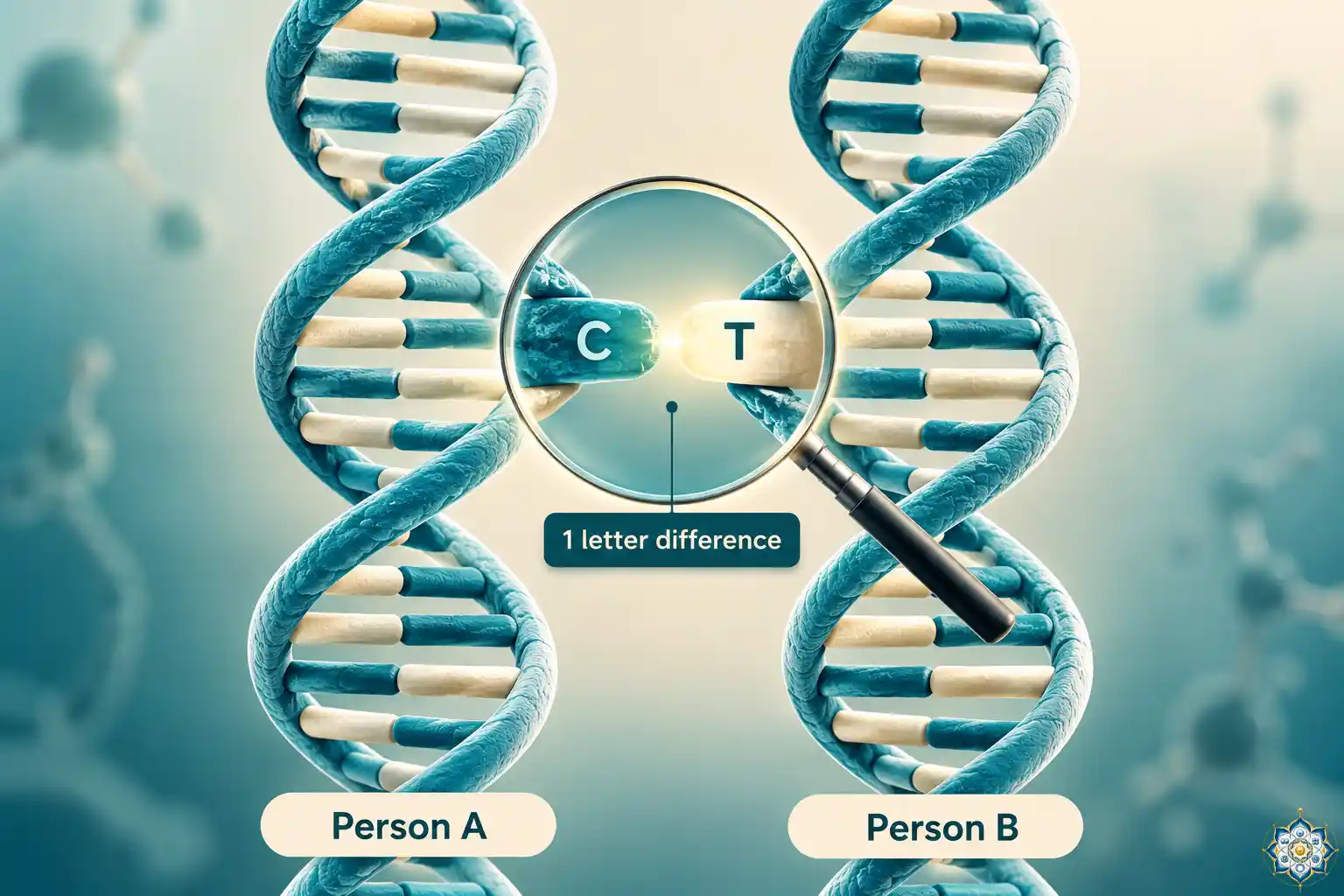
Any two humans share about 99.9% of their DNA. The remaining 0.1% — roughly 3 to 4 million individual letter differences scattered across 3.2 billion base pairs — is what makes each person genetically unique. That tiny fraction influences everything from your eye color and blood type to your risk for certain diseases. It’s also why DNA can identify you, trace your ancestry, and help doctors choose the right medicine.
Here’s a number that should stop you in your tracks: if you picked any two strangers off the street, anywhere on Earth, and compared their DNA letter by letter, you’d find they match at 99.9% of positions.
That means you share more DNA with a random person in Tokyo, Nairobi or São Paulo than there are differences between you. As someone who came into biology from mechanical engineering, this was one of the first facts that made me rethink how I understood human diversity. We look different. We get different diseases. We respond differently to the same food, the same drug, the same workout. And yet, genetically, we’re nearly photocopies of each other.
So what’s in that 0.1%? That’s what this guide is about.
Key takeaways
- All humans share 99.9% of their DNA. The 0.1% difference equals about 3–4 million variant positions per person.
- The most common type of variation is a SNP — a single-letter swap at one position in the genome.
- Larger changes called structural variants are fewer in number but affect more total DNA and can have bigger effects.
- Genetic variation within any population is greater than the average variation between populations. Race is a social category, not a genetic boundary.
- That 0.1% matters enormously for medicine, ancestry, forensics and our understanding of human evolution.
The numbers: how identical are we?
Your genome — the complete set of DNA in your cells — contains about 3.2 billion base pairs. These are the chemical “letters” of DNA: A, T, C and G, arranged in a precise sequence along 23 pairs of chromosomes.
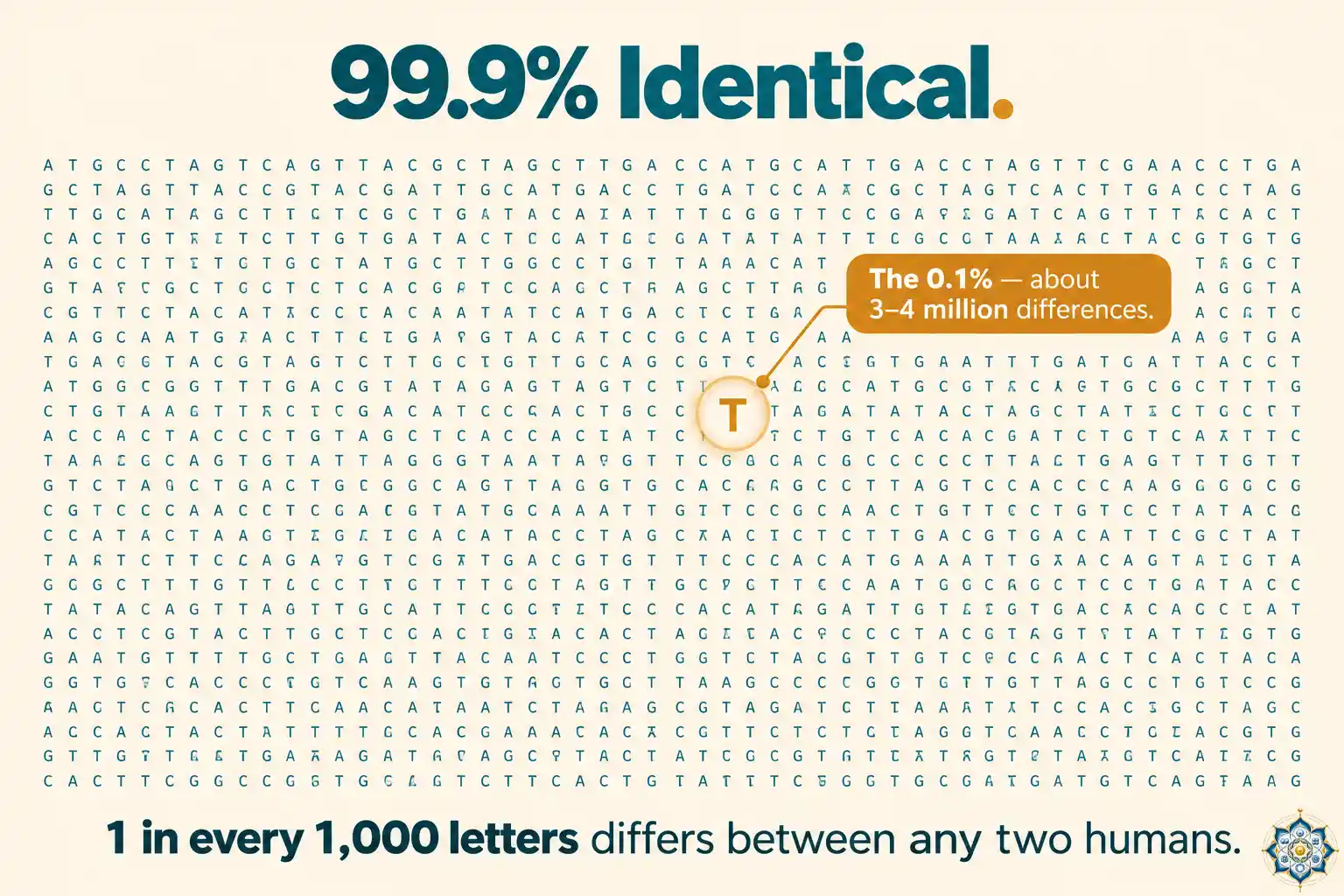
When scientists say humans are 99.9% identical, they mean that at roughly 99.9% of those 3.2 billion positions, any two people have the same letter. The remaining 0.1% works out to about 3 to 4 million positions where your DNA differs from another person’s.
Three to four million sounds like a lot. And it is — in absolute terms. But consider what it means proportionally: out of every 1,000 letters in your genome, only one or two differ from the person sitting next to you.
Putting it in perspective. If your genome were a book of 3.2 billion characters, that’s roughly 1.2 million pages. Two people’s books would differ on about 1,200 of those pages — one page in every thousand. The other 1,198,800 pages? Identical, word for word.
The three types of DNA variation
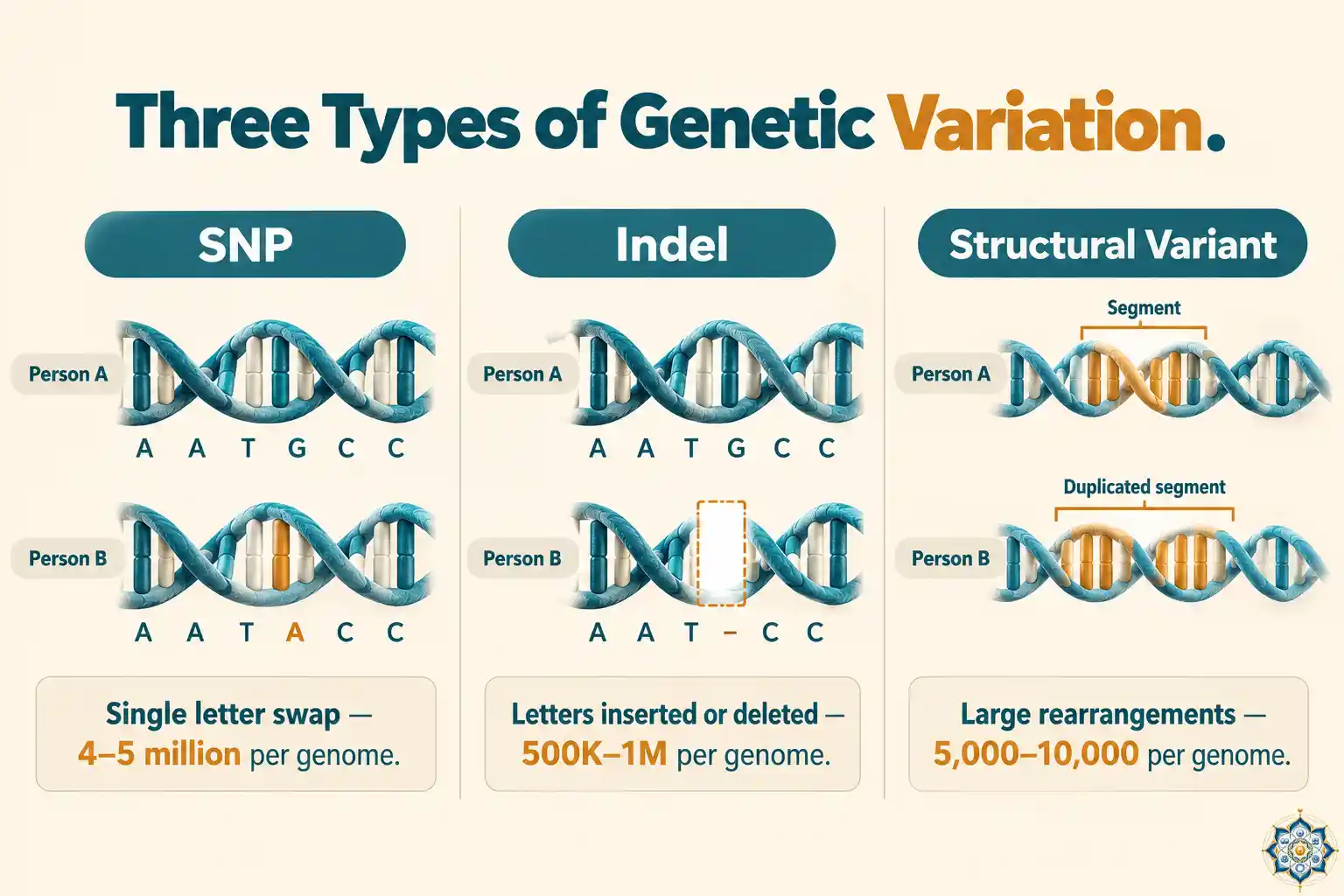
Not all genetic differences are the same size or shape. Scientists classify them into three main categories.
1. SNPs — Single Nucleotide Polymorphisms
A SNP (pronounced “snip”) is the simplest kind of variation: one letter in the DNA sequence is swapped for another. Where your genome has a C, mine might have a T.
SNPs are by far the most common type of variation. A typical human genome contains 4 to 5 million SNPs compared to the reference genome. Most of them have no obvious effect — they sit in regions of DNA that don’t code for proteins or regulate genes. But some influence traits, disease risk or drug response.
A few well-known examples of trait-influencing SNPs:
- A SNP near the OCA2 gene strongly influences whether your eyes are blue or brown.
- A SNP in the MCR1 gene is associated with red hair and fair skin.
- A SNP in the LCT gene determines whether you can digest lactose as an adult.
2. Indels — Insertions and Deletions
Sometimes the difference isn’t a letter swap but a letter (or several letters) added or removed. These are called indels. Your genome might have the sequence AATGCC while mine reads AATCC — one G is deleted.
Indels range from a single base pair to hundreds of base pairs. A typical genome carries about 500,000 to 1 million indels. When an indel falls inside a gene and shifts the reading frame, the protein that gene makes can be completely disrupted — a “frameshift mutation” that often causes disease.
3. Structural variants
These are the big changes — chunks of DNA 50 base pairs or longer that are deleted, duplicated, inverted (flipped) or moved to another chromosome. A single structural variant can involve thousands or even millions of base pairs.
Each person carries roughly 5,000 to 10,000 structural variants. They’re fewer in number than SNPs, but because each one can span a large region, they collectively affect more total DNA than all your SNPs combined. Some are harmless. Others delete or duplicate entire genes, which can cause conditions like certain intellectual disabilities, autism-related syndromes or increased cancer risk.
| Type | What it is | Count per genome | Typical size |
|---|---|---|---|
| SNP | Single letter swap | 4–5 million | 1 base pair |
| Indel | Letters inserted or deleted | 500K–1 million | 1–100s of base pairs |
| Structural variant | Large deletion, duplication, inversion or translocation | 5,000–10,000 | 50 to millions of base pairs |
Where variation sits in your genome
Your genome is not a uniform stretch of equally important letters. Only about 1.5% of it codes for proteins — the molecular machines that build and run your body. The rest was once dismissed as “junk DNA,” though we now know much of it serves regulatory, structural or still-unknown functions.
Most genetic variants fall outside protein-coding regions. That’s largely why most of them have no obvious effect: they’re in the genomic equivalent of white space. But position matters enormously:
- Coding variants change the amino acid sequence of a protein. These are rare but can be powerful — a single coding SNP in the HBB gene causes sickle cell disease.
- Regulatory variants sit in regions that control when, where and how much a gene is turned on. These are increasingly recognized as major drivers of human trait differences and disease risk.
- Intronic and intergenic variants sit within or between genes in non-coding regions. Most appear neutral, but some affect RNA splicing or long-range gene regulation.
The ENCODE surprise. The ENCODE project (Encyclopedia of DNA Elements) found that roughly 80% of the genome has at least some biochemical function, though how much of that is biologically meaningful remains debated. What’s clear is that “non-coding” doesn’t mean “unimportant.”
What the 0.1% actually creates
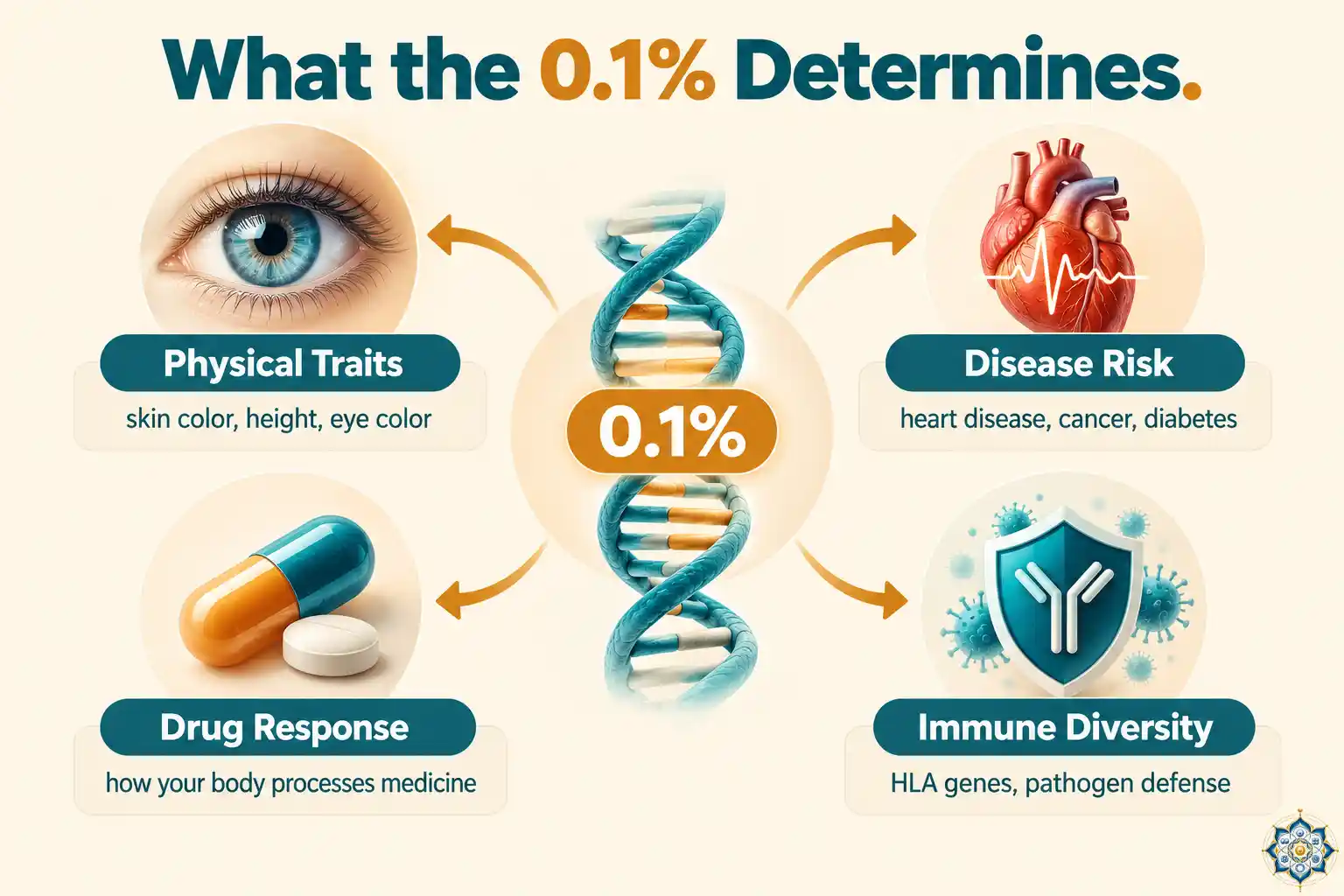
Here’s where it gets personal. That small fraction of variation produces a startling range of human differences:
Physical traits
Skin color, hair color and texture, eye color, height, facial structure, body composition — all influenced by DNA variants, usually many variants working together. Height alone involves over 10,000 SNPs, each nudging your final stature by a fraction of a millimeter.
Disease risk
Some diseases are caused by a single variant (sickle cell disease, cystic fibrosis, Huntington’s disease). Most common diseases — heart disease, type 2 diabetes, many cancers — are influenced by hundreds or thousands of variants, each adding a small nudge to risk. Environment, diet and lifestyle interact with all of them. Even something as everyday as how your body closes a wound varies with the 0.1% — variants in collagen and TGF-β genes partly determine why some people scar more than others from the same injury.
Drug response
A field called pharmacogenomics studies how your DNA affects your response to medication. Variants in drug-metabolizing enzymes (like the CYP450 family) can determine whether a standard dose works, does nothing, or causes dangerous side effects. Some hospitals now test for these variants before prescribing certain drugs.
Immune system diversity
The HLA genes, which help your immune system distinguish self from non-self, are the most variable genes in the human genome. This diversity is a population-level defense: the more varied our immune recognition, the harder it is for a single pathogen to sweep through everyone.
Behavioral tendencies
Intelligence, personality traits, sleep patterns and even your tendency to feel anxious have a heritable component. But these are all highly polygenic (influenced by many genes) and deeply shaped by environment. No single variant “determines” any complex behavior.
Variation between populations
This is where the conversation gets important, and where popular understanding often goes wrong.
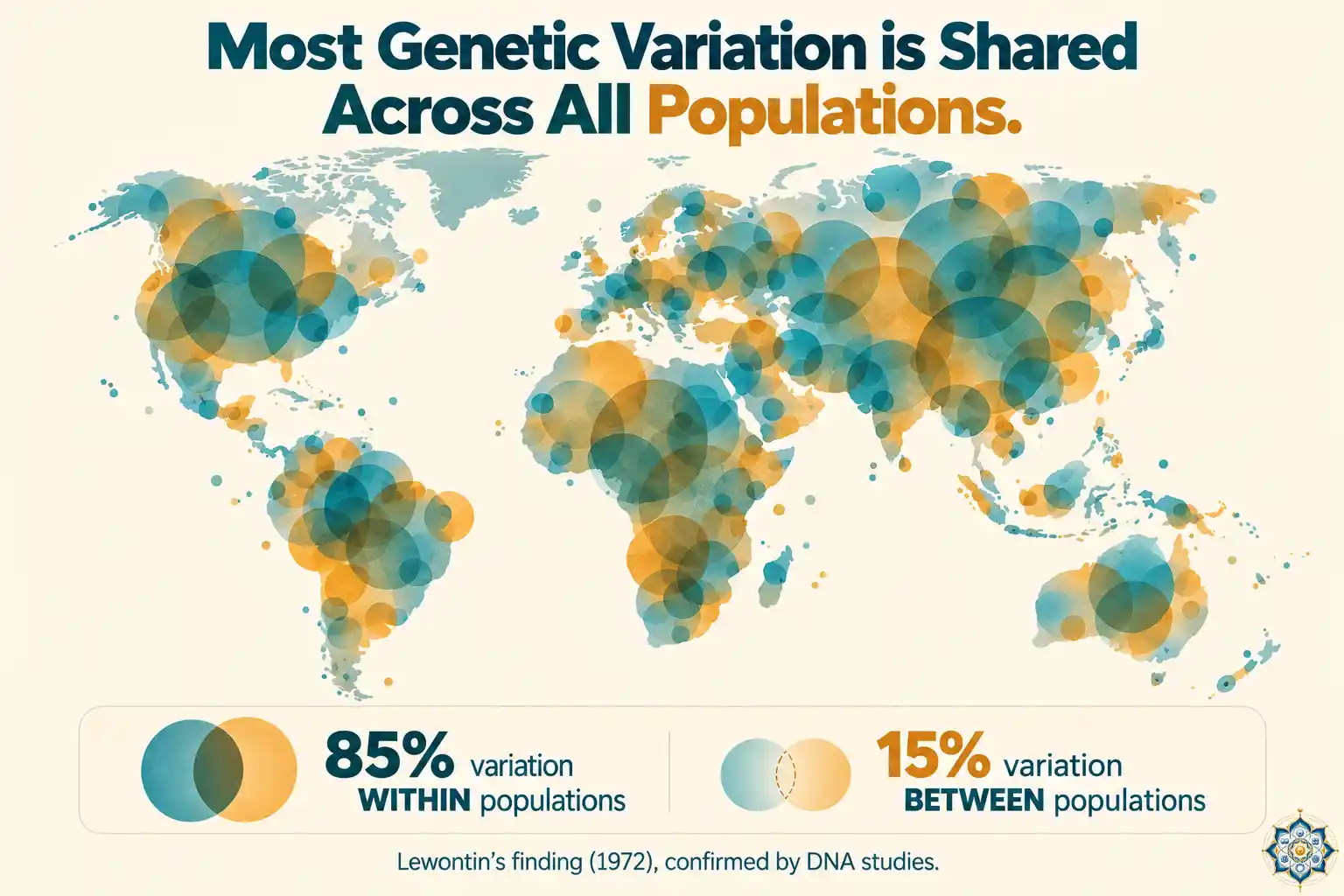
In 1972, geneticist Richard Lewontin analyzed blood-group protein variation across human populations and found a striking result: roughly 85% of all genetic variation exists within any single population, not between populations. Subsequent DNA-level studies have confirmed and refined this. The average genetic difference between two people from the same continent is only slightly smaller than the difference between two people from different continents.
What this means: there is more genetic diversity between you and your neighbor than there is, on average, between your population and a population on the other side of the planet.
The traits humans have historically used to define “race” — primarily skin color, hair texture and facial features — are controlled by a tiny number of genes that adapted to local environments (UV exposure, climate). They sit on the very surface, quite literally, and say almost nothing about the rest of a person’s 3.2 billion letters.
What geneticists say. The American Society of Human Genetics issued a position statement in 2018 affirming that genetics does not support the concept of biological races in humans. Variation is real. Discrete racial boundaries are not.
Why do population-level differences exist at all?
Three forces explain them:
- Natural selection. Variants that help in a local environment increase in frequency. Darker skin near the equator protects against UV damage. The lactose tolerance variant spread in populations that herded dairy cattle. Sickle cell trait rose where malaria was common because carriers have partial resistance.
- Genetic drift. Random chance changes variant frequencies in small populations. When a small group migrates and founds a new population (a “founder effect”), they carry only a sample of the original population’s variation.
- Gene flow. Migration and intermarriage between populations blend and redistribute variants. Human populations have never been truly isolated — gene flow is the rule, not the exception.
How we compare to other species
The 99.9% figure is human-to-human. What happens when we compare our DNA to other species?
| Species | DNA similarity to humans | What it tells us |
|---|---|---|
| Chimpanzee | ~98.7% | Our closest living relative; we shared a common ancestor roughly 6–7 million years ago |
| Gorilla | ~98.4% | A close great-ape relative; split from our lineage about 9–10 million years ago |
| Mouse | ~85% | Many shared genes; diverged roughly 80–90 million years ago; a key model organism |
| Chicken | ~60% | Shared vertebrate body plan genes; diverged roughly 310 million years ago |
| Fruit fly | ~60% | Many fundamental biological pathways are conserved; diverged over 600 million years ago |
| Banana | ~50% (gene level) | Core cell-maintenance genes (DNA repair, energy metabolism) are ancient and shared |
These numbers feel strange at first. How can you share 60% of your DNA with a fruit fly? The answer is that life’s basic machinery — how cells divide, how energy is processed, how DNA is repaired — was invented once, very early, and has been conserved for hundreds of millions of years. What changed is mostly the regulatory architecture: not the tools themselves, but when, where and how much each tool is used. This is the central insight of evo-devo — the discipline that showed how a small, universal toolkit of ancient genes (Hox, Pax6, Distal-less, BMPs) can be rearranged to build every animal body plan on Earth. A striking example: the axolotl has a 32-billion-base-pair genome — ten times larger than ours — yet shares the same core regeneration genes that humans carry but can no longer fully activate.
Why the 0.1% matters for medicine
The medical applications of understanding genetic variation are already real, and growing fast.
Single-gene disorders
Over 7,000 known diseases are caused by variants in a single gene. Sickle cell disease, cystic fibrosis, Huntington’s disease and phenylketonuria are classic examples. For these, genetic testing can provide a definitive diagnosis and, increasingly, guide targeted treatment. Gene therapies like Casgevy for sickle cell disease are beginning to correct the variant itself.
Polygenic risk scores
For common diseases, researchers build polygenic risk scores (PRS) — a combined reading of many variants that estimates an individual’s genetic predisposition. PRS for heart disease, breast cancer and type 2 diabetes are entering clinical practice, though they work best in populations of European ancestry because that’s where most of the research data comes from. Expanding this to all populations is an active and urgent priority.
Pharmacogenomics
Your DNA can predict whether a drug will help you, do nothing, or harm you. Variants in genes like CYP2D6 and CYP2C19 affect how your liver metabolizes common medications including antidepressants, pain relievers and blood thinners. The FDA now includes pharmacogenomic information on the labels of over 300 drugs.
Cancer genomics
Tumors accumulate their own DNA mutations as they grow. Sequencing a tumor’s DNA can reveal which mutations are driving its growth and which targeted therapies might work. This is the basis of precision oncology, where treatment is matched to the tumor’s genetic profile rather than just its location in the body. But mutations are only the trigger — what makes a cell actually behave as cancer is the reactivation of embryonic developmental programs. Why cancer is development gone wrong covers this reframing in detail.
DNA and ancestry testing
Companies like 23andMe and AncestryDNA compare your SNPs to reference panels from populations around the world. When clusters of your variants match patterns common in, say, West Africa or Scandinavia, the test reports ancestry from those regions.
It works because some variants are more common in certain populations due to shared history. But keep some caveats in mind:
- Ancestry estimates depend on the reference panels, which are far from complete. Underrepresented populations get vaguer results.
- The categories (“French,” “Nigerian”) are modern labels mapped onto continuous genetic gradients. Your DNA doesn’t know about national borders.
- Going back more than a few centuries, ancestry becomes deeply shared. Everyone with European ancestry, for example, shares all of the same ancestors from about 1,000 years ago — just in different proportions.
Why siblings look different
If variation between humans is only 0.1%, why can siblings from the same parents look so different?
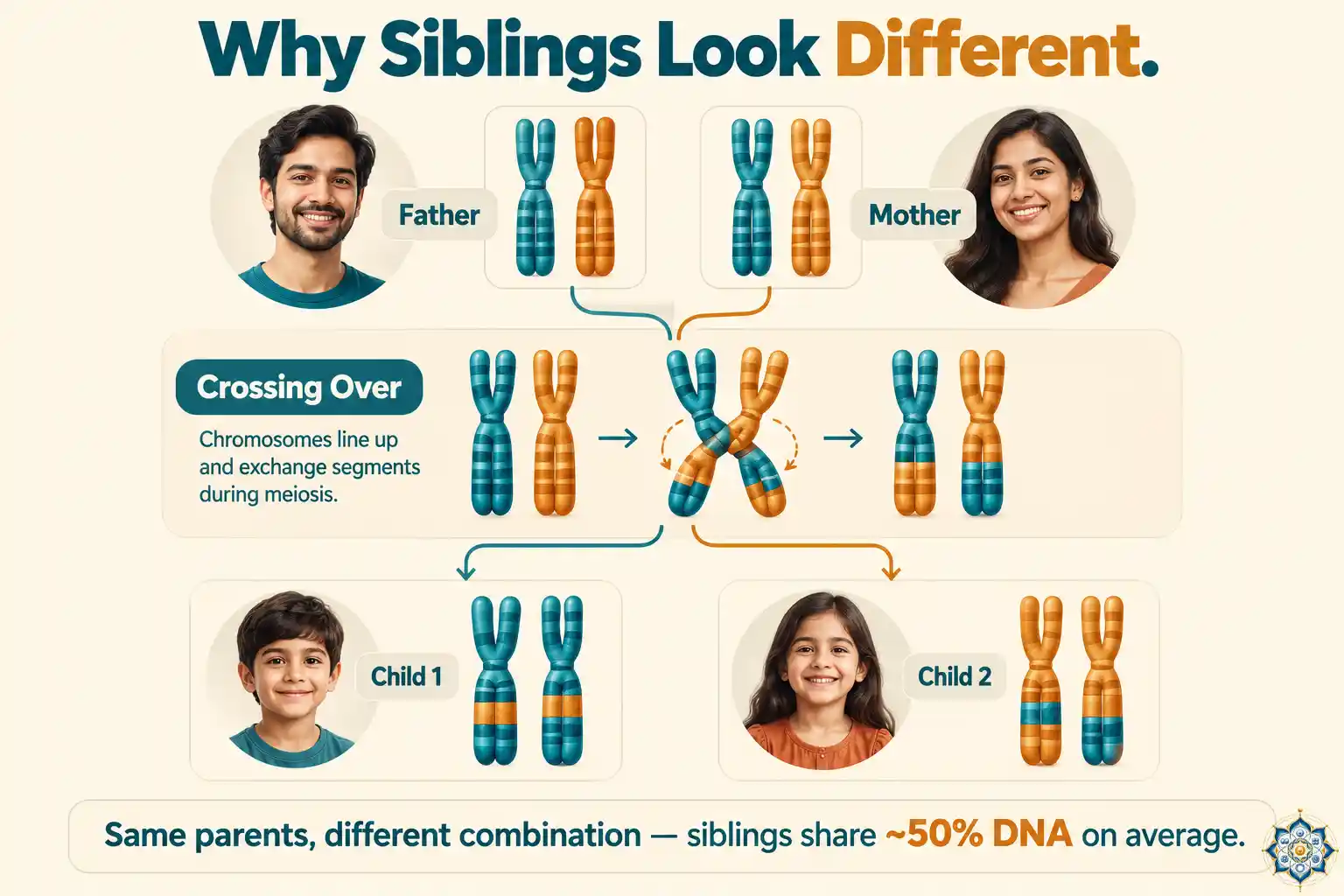
The answer is recombination. When your body makes sperm or egg cells, each pair of chromosomes lines up and swaps segments in a process called crossing over. Then one chromosome from each pair is randomly sorted into each reproductive cell. The result: every sperm and every egg carries a unique combination of the parent’s DNA.
Siblings share, on average, 50% of their DNA — but the specific 50% varies. One sibling might inherit their father’s variants for blue eyes and their mother’s variants for curly hair, while the other gets the opposite set. Multiply this across millions of variable positions, and two siblings can look and function quite differently while having the same two parents.
Identical twins are the exception. They develop from a single fertilized egg that splits, so they start with the same DNA. Even then, small differences accumulate after the split — in the womb and throughout life — through somatic mutations and epigenetic changes.
The projects that mapped it all
Our understanding of human genetic variation comes from a series of landmark research efforts:
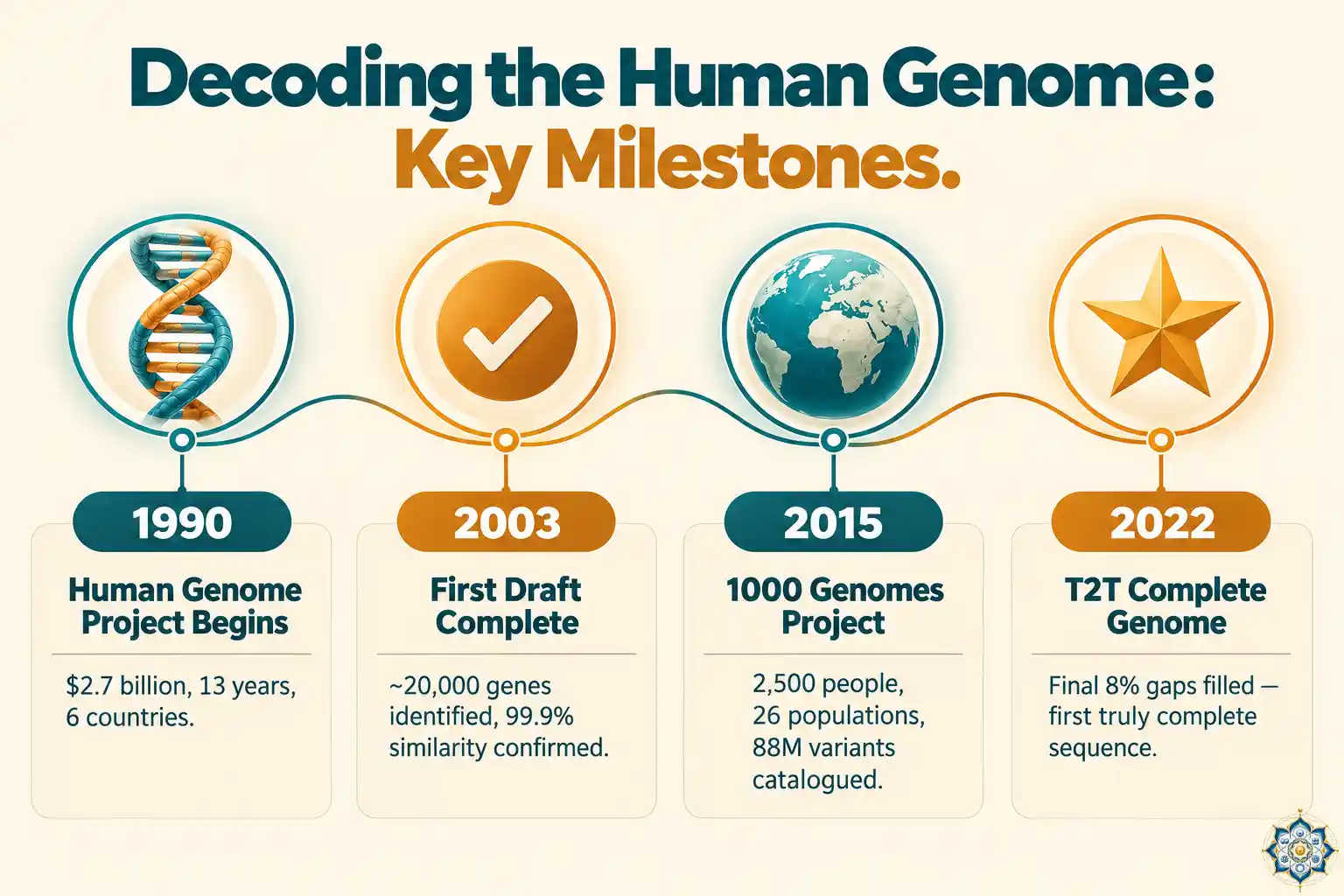
The Human Genome Project (1990–2003)
The first near-complete reading of a human genome. It took 13 years, cost about $2.7 billion, and involved labs in six countries. It established the 99.9% similarity figure and identified roughly 20,000–25,000 protein-coding genes — far fewer than the 100,000 many had predicted.
The International HapMap Project (2002–2009)
Catalogued common SNPs and their patterns of co-inheritance (called haplotypes) across multiple populations. It became the foundation for genome-wide association studies (GWAS) that link variants to traits and diseases.
The 1000 Genomes Project (2008–2015)
Sequenced full genomes from over 2,500 people across 26 populations worldwide. It catalogued over 88 million genetic variants and showed that most common variants are shared across all human populations.
The Telomere-to-Telomere (T2T) Consortium (2022)
Finally completed the last 8% of the human genome that the original Human Genome Project couldn’t read, including the repetitive regions near chromosome ends (telomeres) and centers (centromeres). For the first time, we had a truly complete human genome sequence — all 3.055 billion base pairs on one haploid set.
Frequently asked questions
How similar is human DNA from person to person?
Any two humans share about 99.9% of their DNA sequence. The remaining 0.1% — roughly 3 to 4 million base pair differences — accounts for the visible and invisible variation between individuals, from eye color to disease susceptibility.
What is a SNP?
A SNP (single nucleotide polymorphism, pronounced “snip”) is a one-letter change in the DNA sequence at a specific position. For example, where most people have a C, some have a T. SNPs are the most common type of genetic variation, with about 4 to 5 million in each person’s genome.
How similar is human DNA to other species?
Humans share about 98.7% of their DNA with chimpanzees, roughly 85% with mice, about 60% with fruit flies, and around 50% with bananas at the gene level. The percentages depend on what is being compared — protein-coding genes, regulatory DNA, or the whole genome.
Does the 0.1% DNA difference determine race?
No. Genetic variation between individuals within any population is far greater than the average differences between populations. The traits humans associate with race — skin color, hair texture, facial features — involve a tiny fraction of the 0.1% and do not define biologically distinct groups. Most geneticists consider race a social category, not a genetic one.
What is the Human Genome Project?
The Human Genome Project was an international research effort that ran from 1990 to 2003, producing the first near-complete sequence of the human genome. It identified roughly 20,000 to 25,000 protein-coding genes and established that humans share 99.9% of their DNA. The final gaps were filled by the Telomere-to-Telomere (T2T) Consortium in 2022.
What are structural variants in DNA?
Structural variants are large-scale changes in the genome — deletions, duplications, inversions or translocations of DNA segments typically 50 base pairs or longer. Though fewer in number than SNPs, they affect more total DNA and can have significant effects on gene function and disease risk.
Can DNA differences predict disease?
Some can. Single-gene disorders like sickle cell disease or cystic fibrosis are caused by specific DNA variants. For common diseases like heart disease or diabetes, many variants each contribute a small amount of risk. Polygenic risk scores combine these but are still limited in predictive power, especially across different populations.
Why do siblings look different if they share the same parents?
Each parent passes on a random half of their DNA to each child through a process called recombination. Siblings share on average 50% of their DNA, but the specific combination differs every time. With millions of variants segregating, two siblings can inherit very different sets of trait-influencing variants.
What did the 1000 Genomes Project discover?
The 1000 Genomes Project (2008–2015) sequenced genomes from over 2,500 people across 26 populations. It catalogued over 88 million genetic variants, showed that a typical person carries 4 to 5 million SNPs compared to the reference genome, and found that most common variants are shared across all populations.
Is it true that humans share 50% of their DNA with bananas?
Roughly, yes — at the gene level. Humans and bananas share many of the same fundamental genes for basic cell functions like energy metabolism, DNA repair and cell division. These genes have been conserved across more than a billion years of evolution. The comparison applies to core gene sequences, not the whole genome.
The bottom line
The 99.9% figure is one of the most important numbers in biology. It tells us that the genetic foundation of being human is overwhelmingly shared. Every person on Earth is running essentially the same biological operating system.
The 0.1% is where individuality lives. It’s where evolution has been tinkering — nudging a protein here, adjusting a regulatory switch there, slowly adapting populations to their local environments while leaving the core machinery untouched.
Understanding both numbers matters. The 99.9% reminds us what unites us. The 0.1% reveals the mechanisms behind our differences — and increasingly, how to use that knowledge to treat disease, understand ancestry and appreciate the elegant engineering of the genome.
As I like to say: biology doesn’t build from difference. It builds from sameness, and then edits.
Educational content only. This article is for general learning and isn’t medical or genetic counseling advice. If you have concerns about a genetic condition, speak with a certified genetic counselor or physician.
References and further reading
- International Human Genome Sequencing Consortium. Initial sequencing and analysis of the human genome. Nature, 2001.
- The 1000 Genomes Project Consortium. A global reference for human genetic variation. Nature, 2015.
- Nurk S et al. The complete sequence of a human genome. Science, 2022.
- Lewontin RC. The apportionment of human diversity. Evolutionary Biology, 1972.
- ENCODE Project Consortium. An integrated encyclopedia of DNA elements in the human genome. Nature, 2012.
- American Society of Human Genetics. ASHG denounces attempts to link genetics and racial supremacy. American Journal of Human Genetics, 2018.
- National Human Genome Research Institute. SNP fact sheet: genome.gov.
- ENCODE Project: encodeproject.org.
Follow HowLifeBuilds
@howlifebuilds