
How Stem Cells Actually Work (And Why They Matter
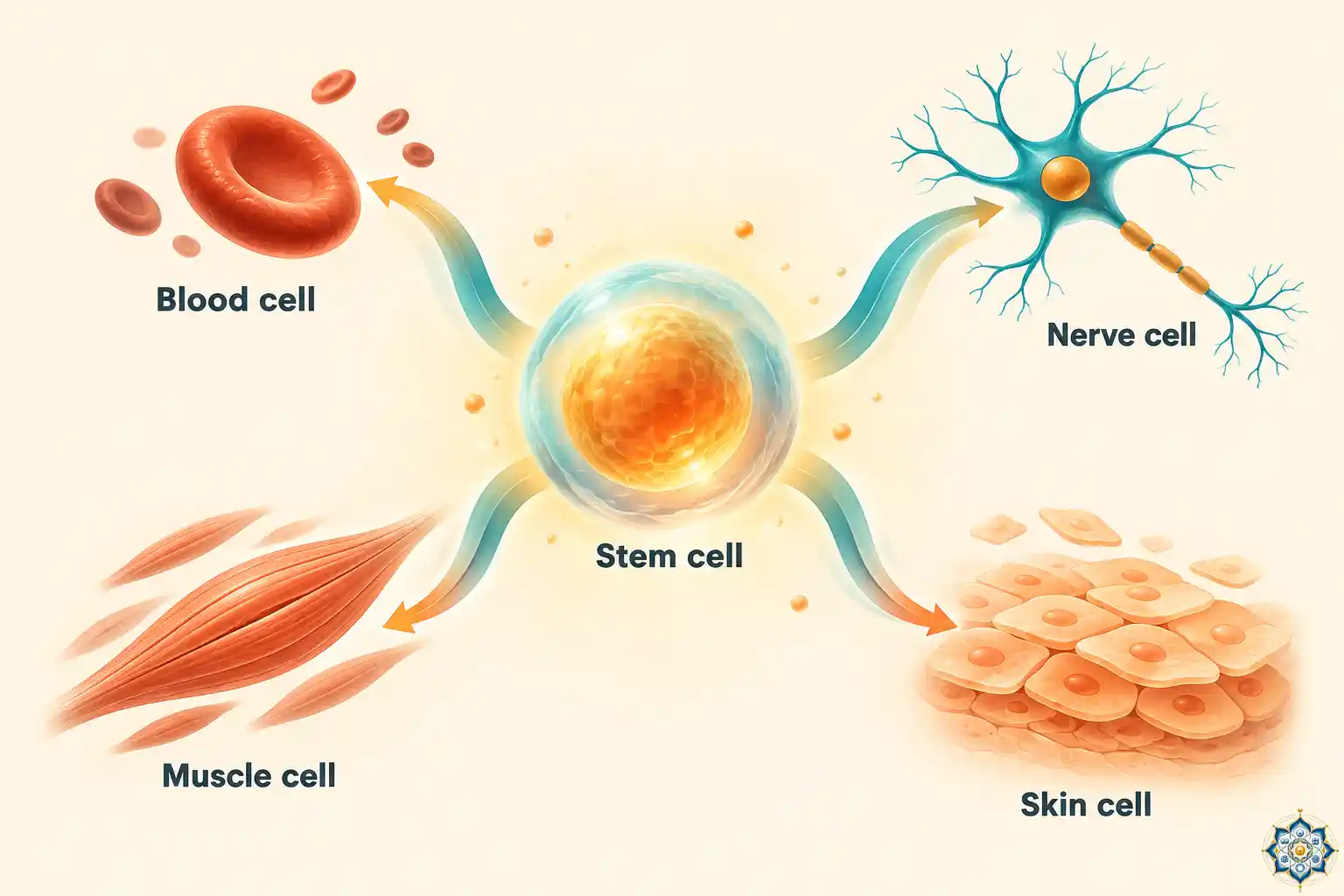
Stem cells are unspecialized cells that can do two things: copy themselves (self-renewal) and turn into specialized cells like blood, nerve or muscle cells (differentiation). Signals from their surroundings, called the niche, plus internal gene programs decide which path each cell takes. They matter because they build embryos, constantly renew your tissues, and power a growing set of therapies.
Right now, as you read this, your bone marrow is making roughly two million new red blood cells every second. The lining of your gut is quietly replacing itself every few days. Your skin is rebuilding its outer layer on a monthly cycle.
None of that happens by magic. It happens because a tiny population of cells in each of those tissues has a very particular job: stay young, divide, and keep supplying fresh replacements. Those are stem cells.
I came into biology from mechanical engineering, so I tend to think in systems. And stem cells are the most elegant maintenance system I know of. A machine that rebuilds its own parts while it’s running. This guide walks through how it actually works, in plain language, without the hype that surrounds the topic.
Key takeaways
- A stem cell has two defining abilities: self-renewal and differentiation.
- Stem cells come in different “potency” levels, from those that can build a whole organism to those that make just one cell type.
- Cell fate isn’t random. It’s steered by the niche, signaling molecules, transcription factors and epigenetic marks.
- Adult stem cells keep your blood, gut, skin and muscle running. They’re not just an embryo thing.
- Proven stem cell treatments exist (blood and skin, for example), but many clinics sell unproven ones. Knowing the difference protects you.
What is a stem cell?
A stem cell is a cell that hasn’t yet committed to a final job. A neuron fires signals. A red blood cell carries oxygen. A muscle cell contracts. Each of those is specialized, and mostly stuck that way.
A stem cell is the opposite: still open-ended. It meets two tests, and it needs to pass both:
- Self-renewal. It can divide and produce more stem cells, so the supply doesn’t run out.
- Differentiation. It can also produce daughter cells that go on to become specialized types.
A skin cell that divides to make more skin cells isn’t a stem cell. It’s just dividing. A stem cell has to keep its own “unfinished” status and feed the specialists. That balance is the whole trick.
The idea has older roots than you might think. In 1961, Ernest McCulloch and James Till showed that mouse bone marrow contained cells that could rebuild the blood system and renew themselves. That was the first hard proof that stem cells exist in an adult mammal.
How do stem cells work?
Think of a stem cell like a bakery’s sourdough starter. You take a bit out to bake bread (differentiation), but you always keep some behind so you can bake again tomorrow (self-renewal). Take too much and the starter dies. Take too little and you never get bread.
Stem cells manage this in two main ways.
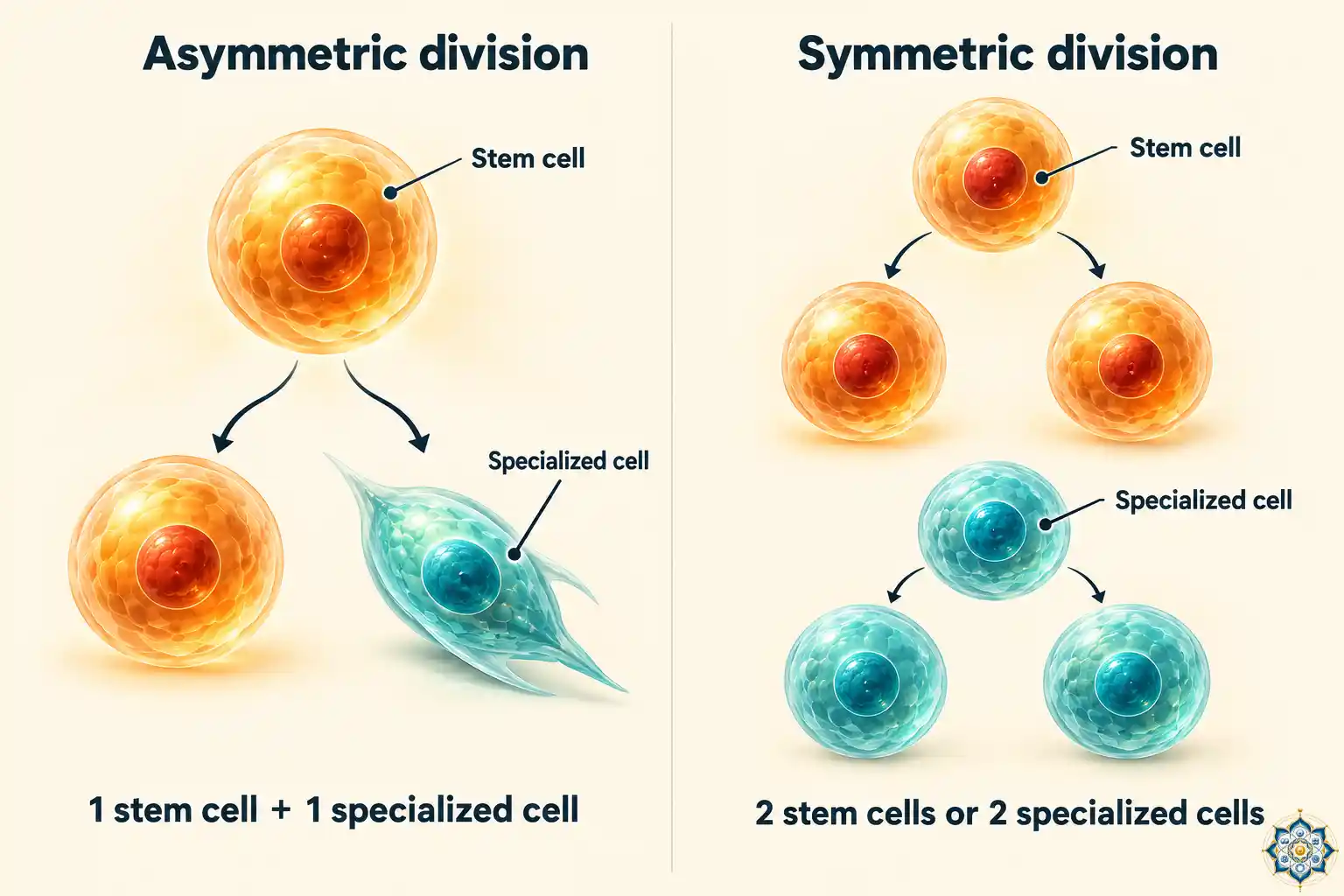
Asymmetric division
One stem cell divides into two unequal daughters. One stays a stem cell. The other heads toward specialization. The count of stem cells stays steady, and the tissue gets a new cell. It’s tidy, and it’s common in many adult tissues.
Symmetric division
Sometimes a stem cell splits into two identical daughters, either two stem cells or two cells that both differentiate. This lets the body adjust the size of the stem cell pool. Need to grow? Make more stem cells. Need to repair quickly after an injury? Push more cells toward specialization.
Between a true stem cell and a fully specialized cell, there’s often a middle stage called a progenitor cell (or transit-amplifying cell). Progenitors divide a limited number of times and are already leaning toward one lineage. They’re the workhorses that multiply the output of a small number of stem cells.
What are the main types of stem cells?
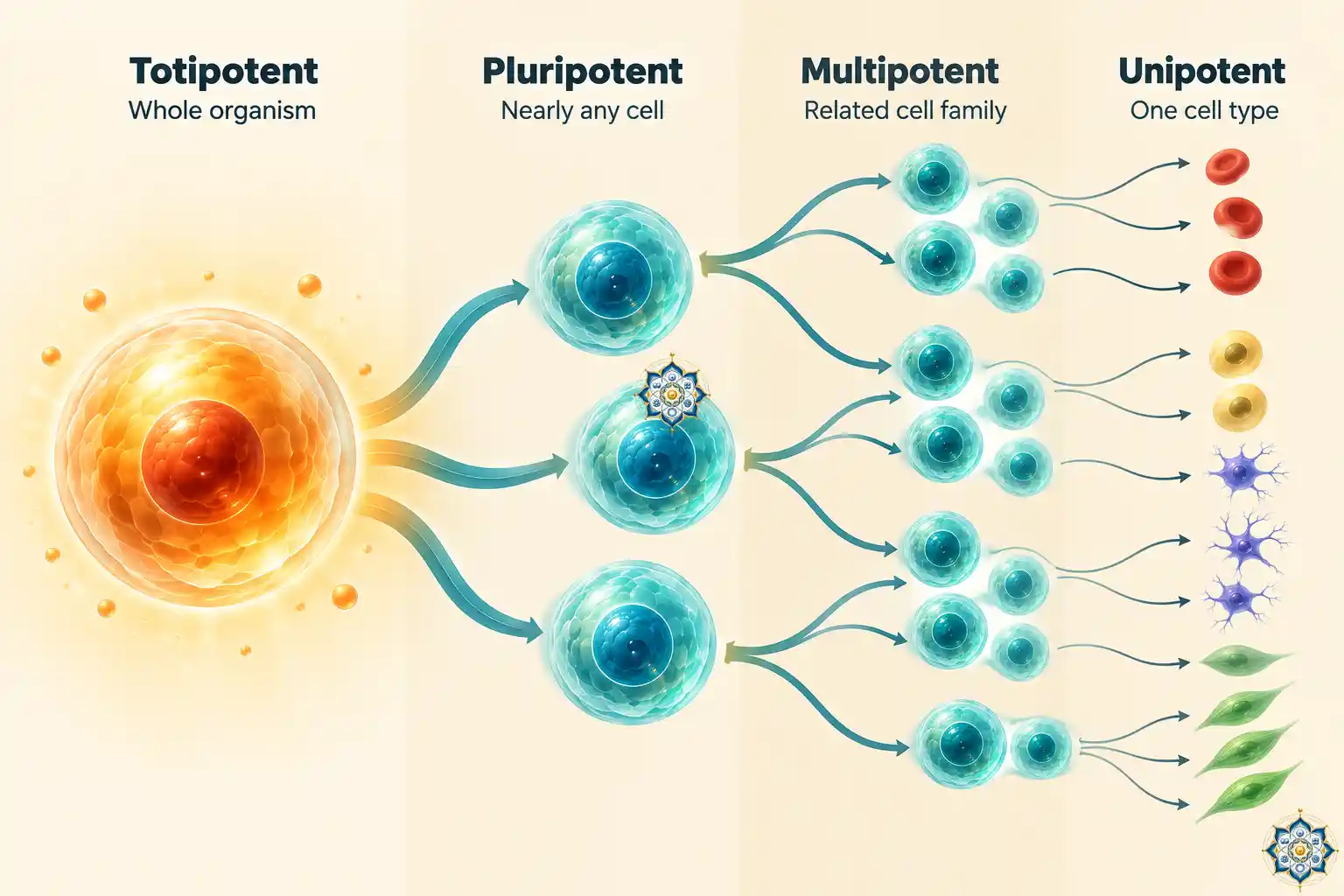
Scientists sort stem cells by potency, meaning how many cell types they can become. Here’s the quick map:
| Potency | What it can become | Example |
|---|---|---|
| Totipotent | Every cell type, including the placenta. Can build a whole organism. | Fertilized egg (zygote) and the earliest few cells after it |
| Pluripotent | Nearly every cell type of the body, but not the placenta | Embryonic stem cells, induced pluripotent stem cells (iPSCs) |
| Multipotent | A limited family of related cell types | Blood-forming stem cells, mesenchymal stem cells |
| Unipotent | One cell type only, but still self-renewing | Sperm-producing spermatogonial stem cells |
Embryonic stem cells
These come from the inner cell mass of an early embryo (the blastocyst stage). They’re pluripotent and can be grown in a dish almost indefinitely. James Thomson’s team isolated the first human embryonic stem cell lines in 1998. They’re a powerful research tool, and they come with real ethical debate, since deriving them involves an early embryo.
Adult (tissue-specific) stem cells
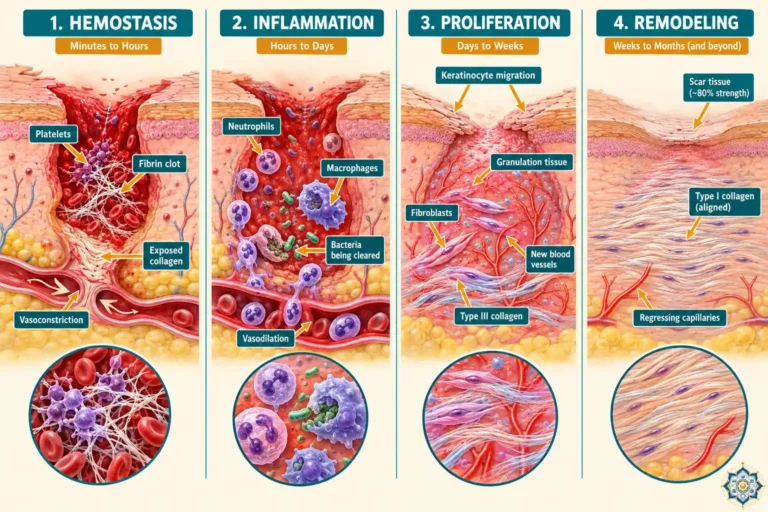
The name is slightly misleading, since children have them too. These live inside tissues and are multipotent. Blood-forming (hematopoietic) stem cells, intestinal stem cells, skin stem cells and muscle satellite cells are the classic examples. Their job is maintenance and repair, not building a whole body. Every time your skin heals a cut, this system is at work — keratinocyte stem cells, fibroblasts, and immune cells cooperate across four phases to close the wound and rebuild new tissue.
Induced pluripotent stem cells (iPSCs)
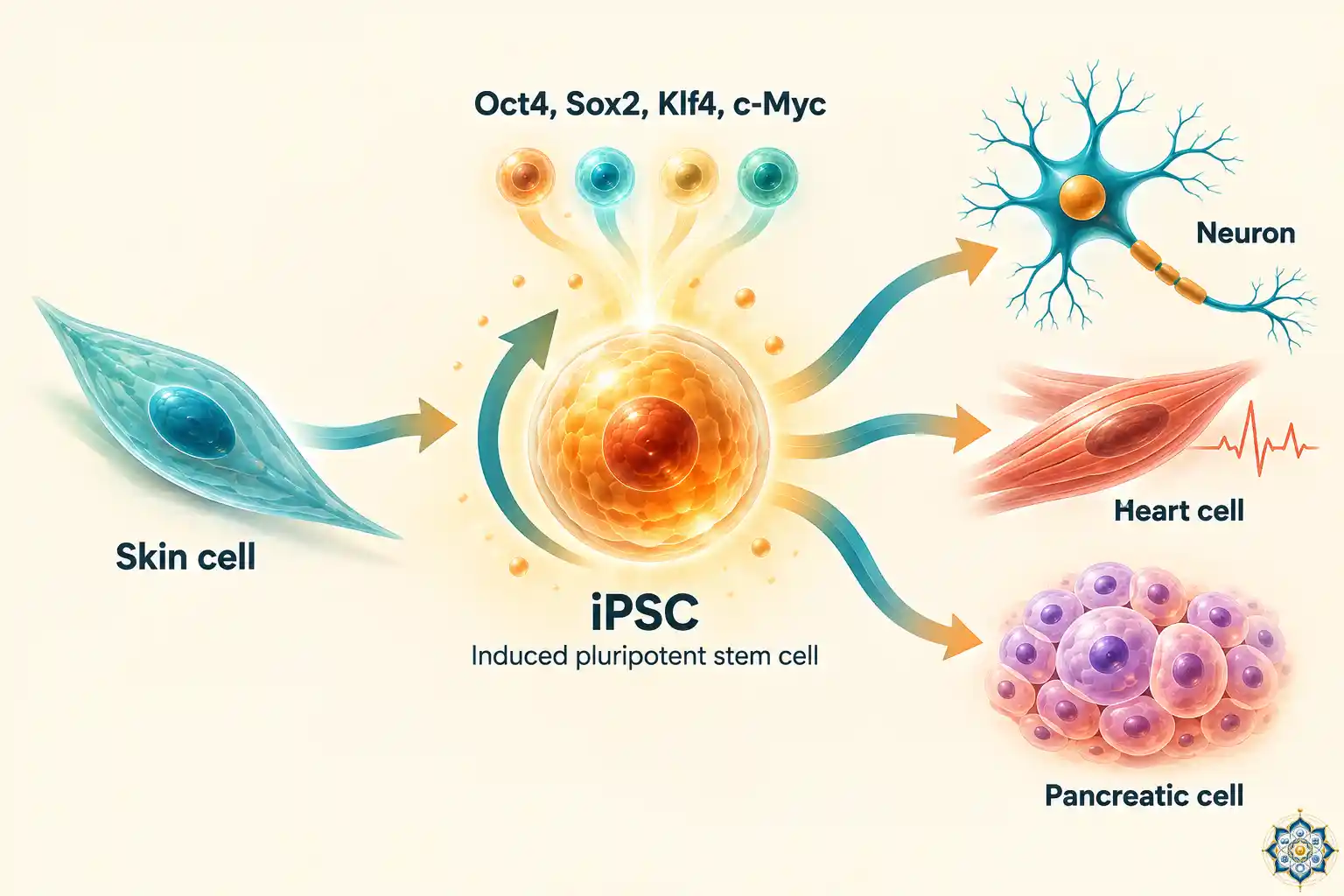
This is where things got really interesting. In 2006, Shinya Yamanaka’s lab showed that adding just four genes (Oct4, Sox2, Klf4 and c-Myc) could turn ordinary mouse skin cells back into pluripotent cells. Human iPSCs followed in 2007. Yamanaka shared the 2012 Nobel Prize in Physiology or Medicine with John Gurdon for showing that cell identity isn’t a one-way street.
Why it matters: you can take a patient’s own skin or blood cells, reprogram them, and then coax them into the cell type you need, without using an embryo.
Mesenchymal stem cells (MSCs)
Often found in bone marrow, fat and umbilical tissue, MSCs can form bone, cartilage and fat in the lab. They’re the cells most heavily advertised by clinics, and also the ones where the gap between marketing and proof is widest. More on that below.
How does a stem cell decide what to become?
This is the question that fascinates me most, because it’s the heart of developmental biology. Every cell in your body carries essentially the same DNA. A neuron and a liver cell read the same genome. What differs is which genes are switched on.
Four layers of control shape that decision:
- The niche. Stem cells sit in specialized micro-environments made of neighboring cells, structural scaffolding and chemical signals. The niche tells a stem cell “stay put and renew” or “go, differentiate.” Take a stem cell out of its niche and it often loses its stem-like behavior.
- Signaling pathways. Molecules such as Wnt, Notch, BMP and Hedgehog act like traffic lights, passing instructions from the outside of a cell to its nucleus.
- Transcription factors. These are proteins that bind DNA and switch genes on or off. They act as master controllers. Yamanaka’s four reprogramming factors are exactly this kind of protein.
- Epigenetics. Chemical tags on DNA and on the proteins that package it make some genes easy to read and others hard to access. It’s a memory system that helps a cell “remember” what it has become.
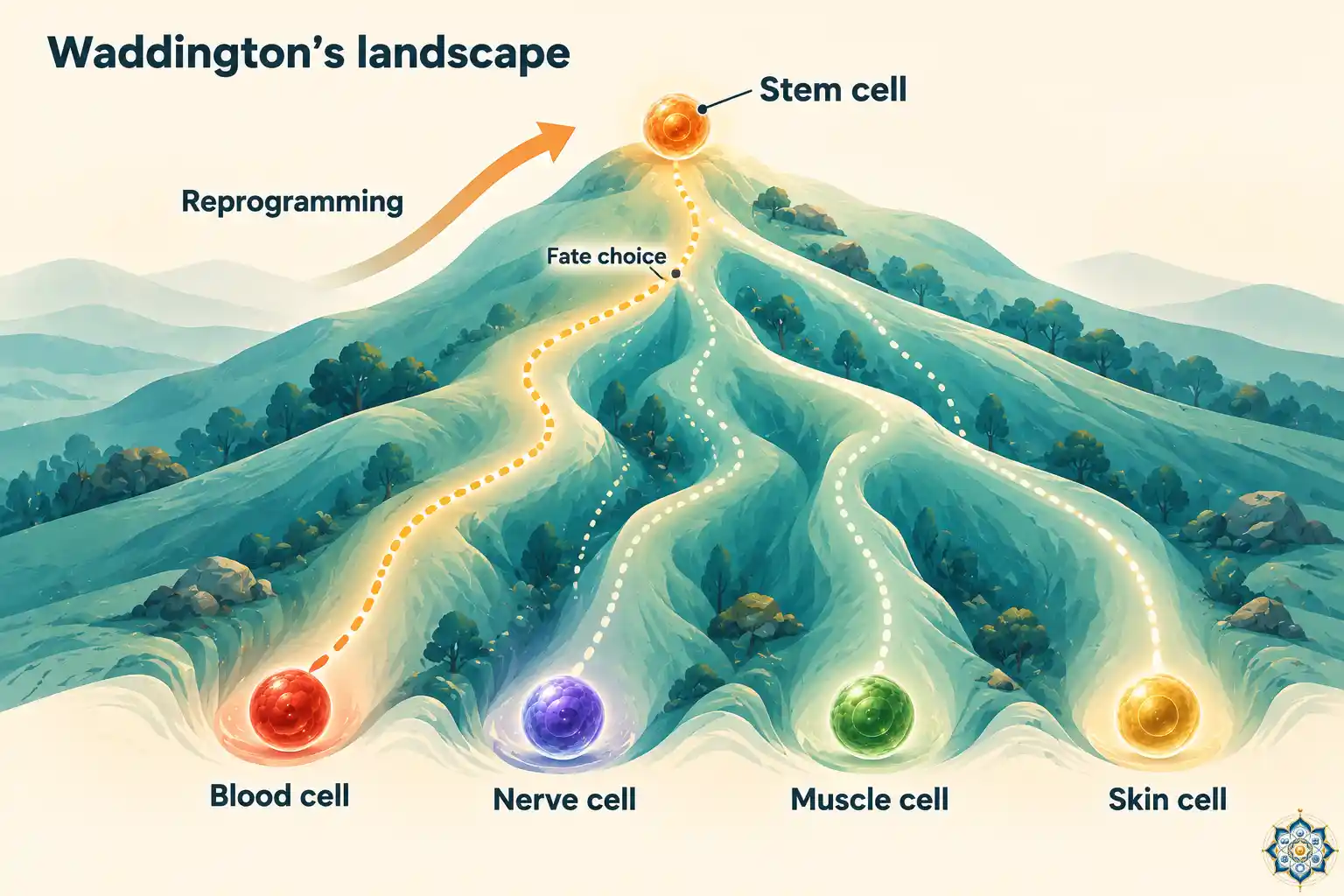
The best mental model I know. In 1957, biologist Conrad Waddington pictured development as a ball rolling down a hillside carved with branching valleys. At the top, the ball (a stem cell) can go many ways. As it rolls into a valley, its options narrow, and the walls make it hard to climb back out. Yamanaka’s iPSC work showed, remarkably, that with the right push the ball can be rolled back up the hill.
Where are stem cells in your body right now?
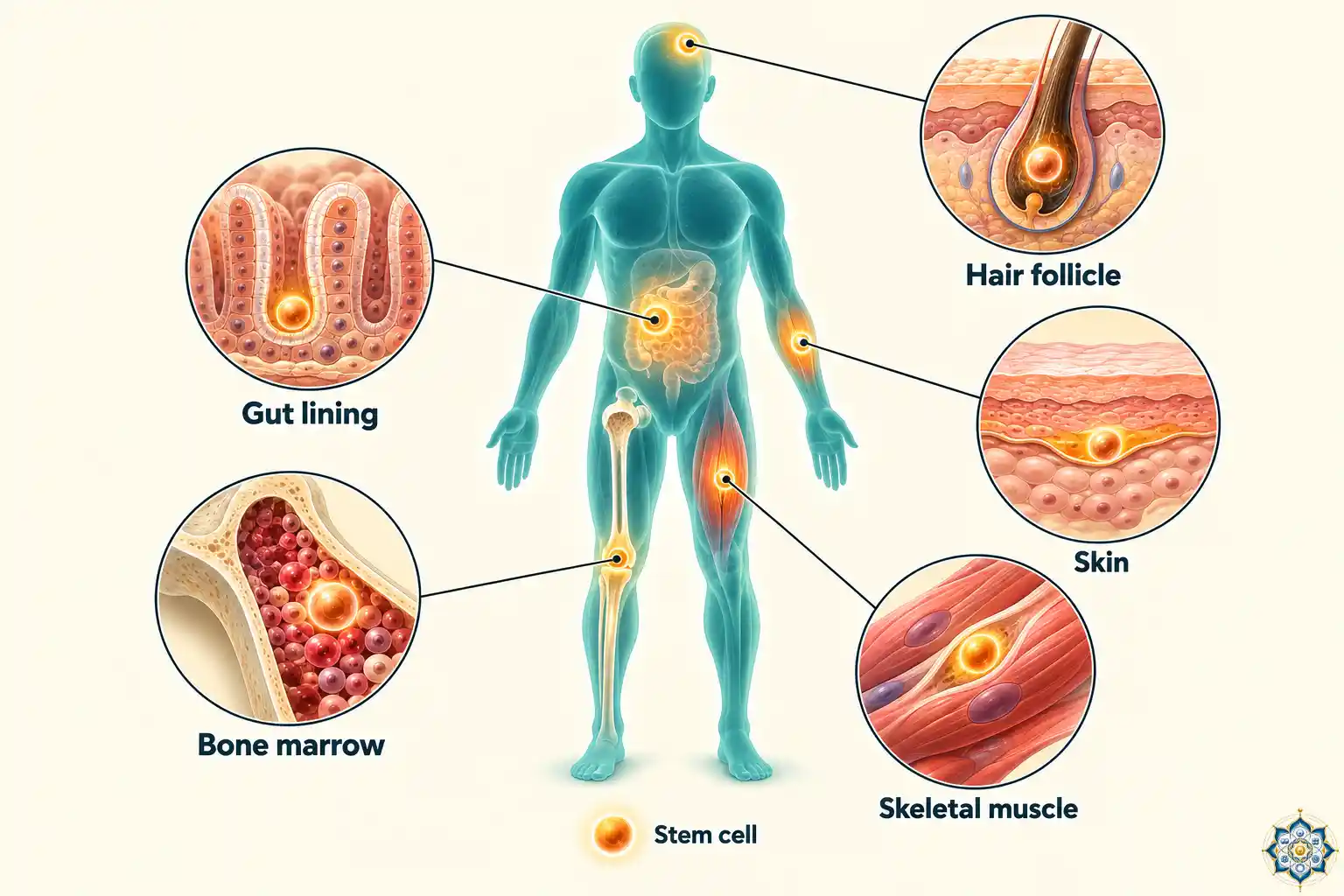
This is the part most articles skip, and it’s the part that makes stem cells feel real. You’re not carrying a few rare cells waiting for a medical miracle. You’re running on them every day.
| Tissue | Stem cell type | What it keeps replacing |
|---|---|---|
| Bone marrow | Hematopoietic stem cells | All blood and immune cells |
| Gut lining | Intestinal stem cells (in crypts) | The lining, which turns over in roughly a week or less |
| Skin | Epidermal stem cells | The outer skin layer, renewed over several weeks |
| Skeletal muscle | Satellite cells | Repair of damaged muscle fibers |
| Hair follicle | Follicle stem cells | Hair growth cycles |
| Brain (limited regions) | Neural stem cells | Small numbers of new neurons in specific areas |
A note for anyone who trains
I work in fitness, so here’s the gym connection. When muscle fibers get damaged by hard training, satellite cells wake up, multiply, and fuse into the fibers to repair them. They can also donate extra nuclei to growing fibers. Researchers still debate exactly how essential satellite cells are for muscle growth in adults, so be wary of anyone who claims a simple answer. But it’s a lovely example of adult stem cells quietly doing their job when you ask more of your body.
Why do stem cells matter?
There are four big reasons, and only one of them is about treatment.
1. They explain how life builds itself
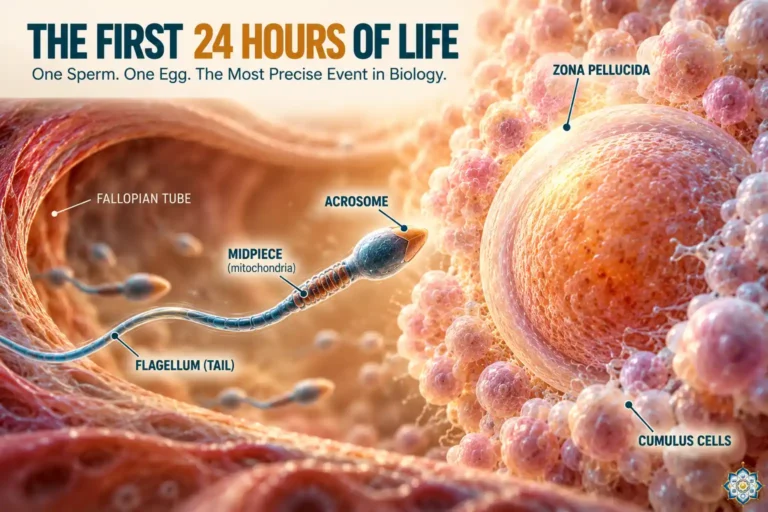
Every human starts as one fertilized cell. Stem cell biology is the story of how that single cell becomes trillions of cells in hundreds of types, in the right places, at the right times. If you want to understand birth defects, you start here.
2. They keep you alive day to day
Without constant renewal, tissues with fast turnover (blood, gut, skin) would fail quickly. Stem cell exhaustion is also one of the factors researchers link to aging, since a tissue’s regenerative capacity tends to decline over time.
3. They let us model disease in a dish
With iPSCs, scientists can make neurons, heart cells or liver cells from a patient with a genetic condition, then watch the disease unfold in the lab and test drugs on those cells. It’s a way of studying human disease without studying it in a person first.
4. They’re the basis of regenerative medicine
The goal: replace or repair cells and tissues that are damaged or lost. Some of this is already routine. Much more is still in trials. Nature already solved this problem in some animals — the axolotl can regenerate entire limbs by reverting mature cells back into stem-cell-like progenitors, using a structure called a blastema.
What stem cell treatments are real today?
Here’s the honest list of what’s established, plus what’s still emerging.
Established
- Blood stem cell transplants. Used for decades to treat leukemia, lymphoma and certain blood and immune disorders. The stem cells come from bone marrow, peripheral blood or umbilical cord blood. This is the best-proven stem cell therapy there is, and E. Donnall Thomas won a Nobel Prize in 1990 for pioneering it.
- Skin grafts from cultured epidermal stem cells. Lab-grown skin has helped treat severe burns. In 2017, doctors in Italy and Germany reported using gene-corrected epidermal stem cells to regenerate nearly all the skin of a child with a severe inherited blistering disease.
- Limbal stem cell therapy for the cornea. Certain eye injuries destroy the stem cells that keep the cornea clear. Replacing them can restore sight, and a cultured-cell product for this has been approved in Europe.
- Gene-edited blood stem cells. In late 2023, regulators approved Casgevy, a CRISPR-based therapy that edits a patient’s own blood stem cells, for sickle cell disease and later beta-thalassemia.
Still being tested
iPSC-derived cells are in early-stage clinical trials for conditions such as Parkinson’s disease and eye disorders. Early results are encouraging, but “in trials” isn’t the same as “proven.” Check the current status of any specific trial before drawing conclusions.
Where hype ends and science begins
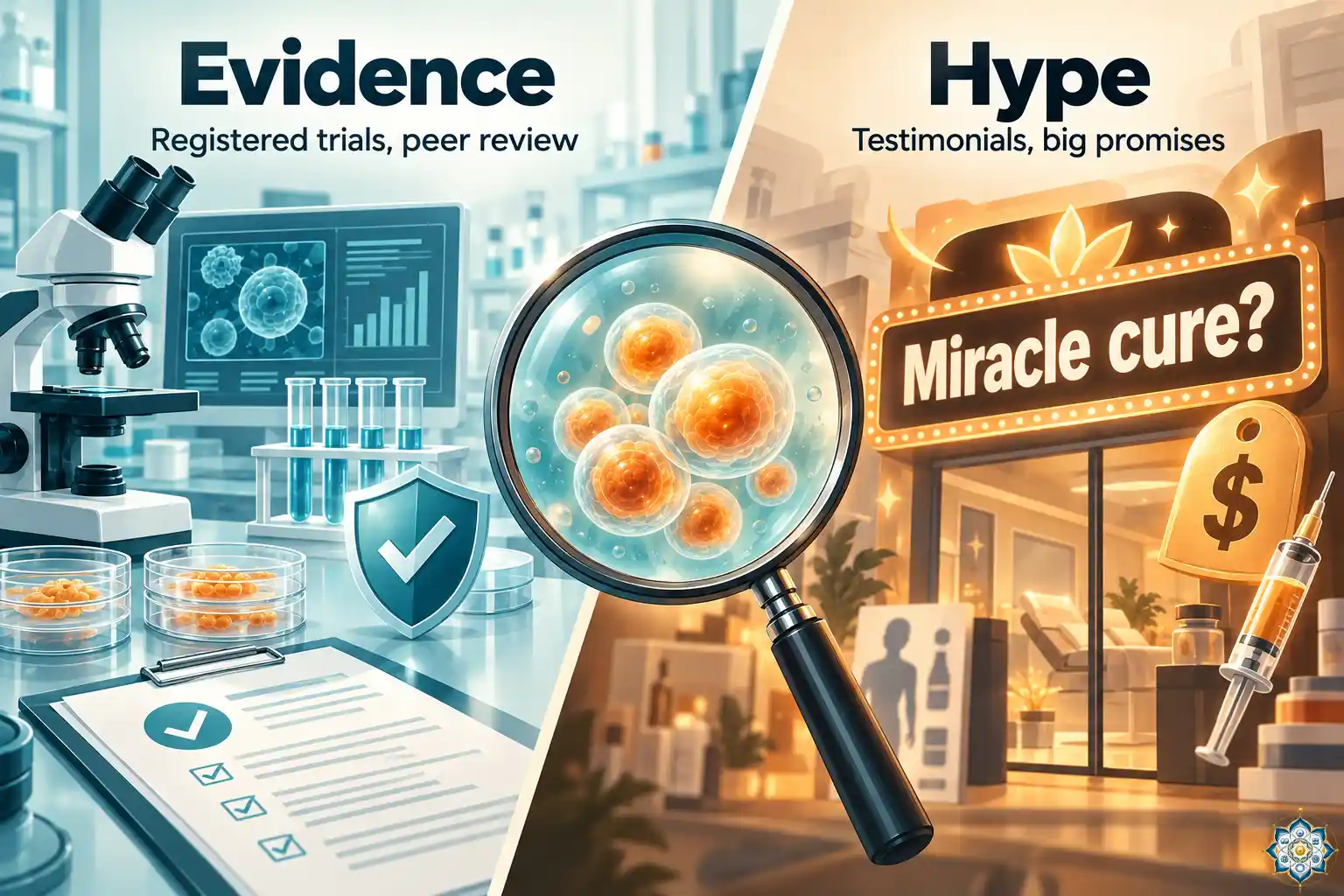
Because stem cells sound like the future, a global market of clinics sells “stem cell therapy” for knee pain, anti-aging, autism, spinal cord injury and just about everything else. Many of those treatments have no solid clinical evidence behind them, and some have caused serious harm, such as infections and, in documented cases, vision loss after unproven eye injections.
Quick safety checklist before any stem cell treatment:
- Is it part of a registered clinical trial, or an approved therapy for that specific condition?
- Does it claim to treat many unrelated diseases? That’s a red flag.
- Are you being asked to pay out of pocket to take part in “research”?
- Can the clinic show published, peer-reviewed evidence rather than testimonials?
- Has an independent doctor, not employed by the clinic, reviewed the plan with you?
The International Society for Stem Cell Research (ISSCR) publishes a patient guide worth reading first.
Stem cells and cancer: the uncomfortable cousin
The same traits that make stem cells useful, endless division and flexibility, are the traits that make cancer dangerous. That’s why researchers are careful about stem cell therapies: cells that divide too freely can form tumors. It’s also behind the “cancer stem cell” hypothesis, which proposes that some tumors are driven by a small population of cells with stem-like properties. The idea is influential, though still debated for many cancers. This connection is deeper than it looks — in a very real sense, cancer is development gone wrong: cells reactivating embryonic programs for proliferation, immortality, and migration in adult tissue where those programs don’t belong.
What’s coming next
A few directions I’m watching closely:
- Organoids. Tiny, lab-grown 3D tissue structures made from stem cells that mimic parts of the gut, brain or kidney. They’re giving researchers new models of human development and disease.
- Better differentiation recipes. Getting a stem cell to become a truly mature, fully functional cell of the right type is harder than it sounds.
- Safer gene-edited therapies. Combining gene editing with a patient’s own stem cells is opening doors for inherited diseases.
- Aging research. Understanding why stem cells decline with age could change how we think about healthspan.
This is the kind of topic I want to keep exploring here at HowLifeBuilds. Next, I’ll look at how a single fertilized egg organizes itself into a body, which is where stem cells really come into their own.
Frequently asked questions about stem cells
What is a stem cell in simple words?
A stem cell is a cell that hasn’t chosen its final job yet. It can make copies of itself and can also turn into specialized cells such as blood, skin or nerve cells. That mix of renewing and transforming is what makes it a stem cell.
What are the two main properties of stem cells?
The two defining properties are self-renewal and differentiation. Self-renewal means the cell can divide and make more stem cells. Differentiation means it can produce cells that mature into specialized types.
What are the main types of stem cells?
The main types are embryonic stem cells, adult or tissue-specific stem cells, induced pluripotent stem cells (iPSCs) and mesenchymal stem cells. They’re also grouped by potency: totipotent, pluripotent, multipotent and unipotent.
How does a stem cell know what to become?
A stem cell is guided by signals from its niche, signaling pathways such as Wnt and Notch, transcription factors that switch genes on or off, and epigenetic marks on DNA. Together these push the cell toward one fate and make that choice hard to reverse.
Where are stem cells found in the adult body?
Adult stem cells live in bone marrow, the gut lining, skin, hair follicles, skeletal muscle and some small regions of the brain. Each type mainly replaces or repairs the cells of its own tissue.
What is the difference between embryonic and adult stem cells?
Embryonic stem cells come from early embryos and are pluripotent, able to become nearly any body cell. Adult stem cells sit in specific tissues and are usually multipotent, limited to a related family of cell types used for repair and maintenance.
What are induced pluripotent stem cells (iPSCs)?
iPSCs are ordinary adult cells, such as skin or blood cells, that have been reprogrammed in the lab to behave like embryonic stem cells. Shinya Yamanaka discovered the method in 2006 and won a Nobel Prize for it in 2012.
Which stem cell treatments are proven?
Blood stem cell transplants for blood cancers and some blood disorders are the best established. Cultured skin grafts for severe burns, limbal stem cell therapy for the cornea, and gene-edited blood stem cell therapy for sickle cell disease are also approved or clinically validated.
Are stem cell clinics safe?
It depends on the clinic. Approved therapies and registered clinical trials are overseen by regulators, but many commercial clinics sell unproven treatments and some have caused serious harm. Check for regulatory approval or a registered trial before paying for treatment.
Do stem cells cause cancer?
Stem cells themselves don’t usually cause cancer, but their ability to divide extensively means poorly controlled stem cell products can form tumors. Some researchers also propose that certain cancers are driven by cancer stem cells, though this is still debated.
The bottom line
Stem cells are the body’s answer to a simple engineering problem: how do you keep a complex machine running for decades when its parts keep wearing out? You keep a reserve of flexible cells, protect them in carefully built niches, and release them when needed.
The science is real, the potential is real, and so are the limits. If you remember one thing, make it this: stem cells are not a magic repair kit, they’re a system. And the better we understand that system, the closer we get to using it safely.
Educational content only. This article is for general learning and isn’t medical advice. If you’re considering any stem cell treatment, speak with a qualified physician who isn’t affiliated with the provider selling it.
References and further reading
- Till JE, McCulloch EA. A direct measurement of the radiation sensitivity of normal mouse bone marrow cells. Radiation Research, 1961.
- Thomson JA et al. Embryonic stem cell lines derived from human blastocysts. Science, 1998.
- Takahashi K, Yamanaka S. Induction of pluripotent stem cells from mouse embryonic and adult fibroblast cultures by defined factors. Cell, 2006.
- Takahashi K et al. Induction of pluripotent stem cells from adult human fibroblasts by defined factors. Cell, 2007.
- Waddington CH. The Strategy of the Genes. 1957.
- Hirsch T et al. Regeneration of the entire human epidermis using transgenic stem cells. Nature, 2017.
- International Society for Stem Cell Research (ISSCR). A Closer Look at Stem Cells (patient resource): closerlookatstemcells.org.
- The Nobel Prize in Physiology or Medicine 2012 (Gurdon and Yamanaka) and 1990 (Thomas and Murray): nobelprize.org.
Follow HowLifeBuilds
@howlifebuilds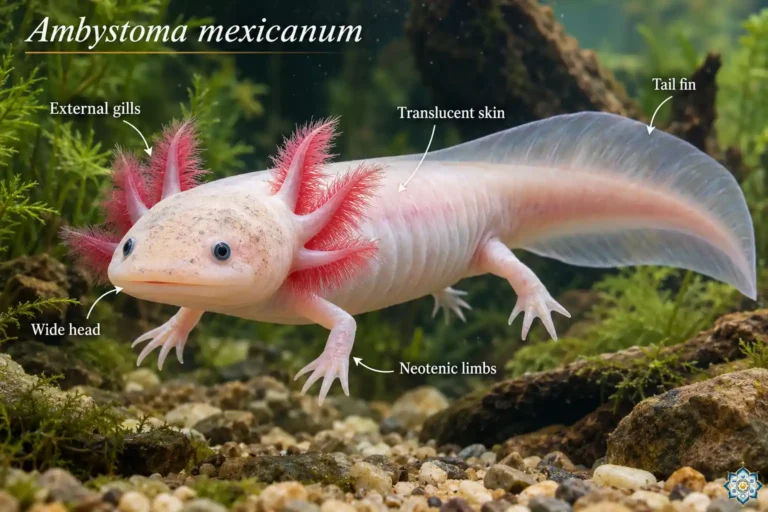
2 Comments
Comments are closed.